
Ceramides in Skincare: Why Your Moisture Barrier Needs Them (And Which Products Actually Help)
- Cosmetigroup Intl. Corp.
- 3 days ago
- 11 min read

Have you ever wondered why your skin still feels dry and sensitive even after using hydrating products? Or why a skincare routine that once worked suddenly leaves your complexion feeling tight, irritated, or uncomfortable?
The problem may not always be about adding more moisture. Sometimes, the skin needs support from the barrier that helps maintain hydration and protect it from daily stress.
The skin barrier plays an important role in keeping essential moisture inside while helping defend the skin against external factors. When this protective layer becomes weakened, the skin may struggle to stay balanced, leading to concerns such as dryness, rough texture, sensitivity, and discomfort.
One of the key components involved in maintaining this barrier is ceramides. These naturally occurring lipids are part of the skin’s protective structure, helping support the organization of the barrier and its ability to maintain moisture.
This is why ceramides in skincare have become a focus for people dealing with dry, dehydrated, or compromised skin. Rather than only adding hydration to the surface, ceramide-focused products aim to support the foundation that helps the skin retain moisture more effectively.
However, choosing the right ceramide product involves more than finding the ingredient name on a label. The type of ceramides used, the ingredients combined with them, and the overall formulation all influence how well a product supports the skin barrier.
What Are Ceramides in Skincare?
Ceramides are naturally occurring lipids found in the outermost layer of the skin, known as the stratum corneum. They are essential components of the skin barrier and help create the structure that allows the skin to maintain moisture.
A simple way to imagine the skin barrier is like a brick wall. Skin cells act as the bricks, while ceramides, cholesterol, and fatty acids act as the mortar that helps hold everything together. This lipid structure helps reduce excessive moisture loss and supports the barrier’s protective function.
The skin naturally produces ceramides, but their levels can change over time. Aging is associated with changes in skin lipid composition, which may contribute to increased dryness and changes in skin texture. External factors, including harsh skincare habits and environmental stress, can also affect the skin’s natural balance.
This is why ceramides in skincare are commonly found in barrier-focused moisturisers and treatments. When applied topically, ceramides help replenish important lipids that are naturally present in the skin, supporting a smoother and more comfortable-looking complexion.
For individuals exploring ceramides for dry skin, these ingredients can be a valuable part of a routine focused on maintaining moisture balance and supporting the skin barrier.
What Causes a Damaged Skin Barrier?
A weakened skin barrier is usually caused by repeated stress rather than one single factor. Daily skincare habits, environmental conditions, and natural changes in the skin can all influence how well the barrier maintains its protective function.
When the barrier becomes compromised, the skin may have more difficulty holding onto moisture. This can lead to visible concerns such as dryness, rough texture, sensitivity, and a tight or uncomfortable feeling.
Over-Exfoliating the Skin
Exfoliation can help improve the appearance of dullness and uneven texture by removing dead skin cells. However, using exfoliating products too often or combining several active ingredients at once may place unnecessary stress on the skin. Frequent use of exfoliating acids, physical scrubs, or strong treatments without enough recovery time may affect the skin’s natural balance. This can make the skin feel more sensitive and less comfortable with products that were previously well tolerated.
Using Harsh Cleansing Products
Cleansing is an important step in removing dirt, excess oil, and impurities. However, cleansers that are too stripping may affect the natural oils and lipids that help maintain skin comfort. If the skin consistently feels tight, dry, or uncomfortable after cleansing, it may be a sign that the routine needs adjustment.
Aging and Changes in Skin Composition
As the skin ages, natural changes occur in its structure and function. These changes can include shifts in the skin’s lipid composition, which may contribute to increased dryness and changes in texture. This is one reason why barrier-supporting ingredients become increasingly important in an aging skincare routine. Maintaining the skin’s protective layer can help support a smoother and more comfortable-looking complexion over time.
Environmental Stress
The environment can also affect how the skin behaves. Low humidity, frequent exposure to air conditioning, weather changes, and environmental pollutants may contribute to moisture loss and increased sensitivity.
For some individuals, these factors can make the skin feel drier or more reactive, even when using regular moisturising products.
Signs Your Skin Barrier May Need Support

A weakened skin barrier may show different signs depending on the individual. Common indicators include:
Skin that feels tight after cleansing
Increased sensitivity to products that were previously comfortable
Rough or uneven texture
Flaking or visible dryness
Skin that still feels dehydrated despite moisturising
If these signs sound familiar, focusing on moisture barrier repair may help create a more balanced skincare routine instead of continuously adding stronger treatments.
Why Ceramides Need Supporting Ingredients
Ceramides are important barrier-supporting ingredients, but they do not work alone within the skin. The skin barrier relies on a combination of lipids that work together to maintain its structure.
Among the most important barrier lipids are ceramides, cholesterol, and fatty acids. These components naturally exist within the skin and help maintain the organized structure of the outer layer.
This is why choosing a product with ceramides in skincare is not only about finding the ingredient name on a label. The complete formulation matters, including the types of ceramides used and the ingredients combined with them.
The Role of Ceramides, Cholesterol, and Fatty Acids
A well-formulated barrier product often considers the relationship between different lipid components rather than focusing on a single ingredient.
Ceramides help form an important part of the skin’s lipid structure, while cholesterol and fatty acids contribute to maintaining the organization of this barrier system. Together, these ingredients create a more complete approach to supporting skin that experiences dryness or discomfort.
This is why the search for the best ceramide serum should go beyond the percentage of one ingredient. A product’s overall formula, texture, and compatibility with your skin type are also important factors.
Different Types of Ceramides
Ceramides used in skincare are identified through different names, including Ceramide NP, Ceramide AP, and Ceramide EOP. These variations are part of the wider group of ceramides used in cosmetic formulations.
Different formulas may use different combinations of ceramides depending on their intended purpose. However, the effectiveness of a product depends on the complete formulation rather than the presence of one ingredient alone.
For individuals exploring ceramides for dry skin, choosing a formula that combines barrier-supporting ingredients with consistent moisturisation may provide a more complete approach to maintaining skin comfort.
Do You Have a Damaged Skin Barrier? Simple Skin Check
Dryness does not always mean your skin needs more moisturising products. In some cases, the skin may be showing signs that its protective barrier needs additional support. A weakened barrier can affect how the skin responds to products, environmental changes, and daily skincare habits. If you are experiencing several of the signs below, it may be time to reassess your routine.
Your Skin Feels Tight After Cleansing
A clean feeling after washing does not have to mean a tight or stretched sensation. If your skin regularly feels uncomfortable immediately after cleansing, your routine may be affecting your skin’s moisture balance.
Products That Previously Worked Now Feel Irritating
Changes in product tolerance can happen when the skin becomes more sensitive. Ingredients that were once comfortable may begin to cause stinging, redness, or discomfort.
Your Skin Looks Dry Despite Using Moisturiser
If your skin continues to appear dull, rough, or dehydrated even after applying moisturiser, the issue may involve more than simply adding hydration. A routine focused on moisture barrier repair may help address the skin’s need for better support.
Your Skin Texture Has Changed
Flaking, rough patches, or uneven texture may appear when the skin is struggling to maintain its usual balance. These changes can be a sign that your routine needs to become gentler and more supportive.
You Are Using Too Many Active Ingredients
Active ingredients can provide targeted benefits, but using multiple treatments at the same time may increase the chance of irritation. Combining exfoliating acids, retinoids, and other strong ingredients without enough recovery time may place additional stress on the skin.
If several of these signs sound familiar, adjusting your routine may help improve skin comfort. The goal is not to remove all treatments permanently, but to create a routine that supports the skin while addressing specific concerns.
7-Day Skin Barrier Repair Protocol
When the skin feels stressed, a simpler routine can often be more beneficial than adding more products. A short reset period focuses on reducing irritation, maintaining hydration, and giving the skin time to return to a more balanced state.
Days 1 to 3: Pause Strong Active Ingredients
Start by temporarily reducing products that may increase irritation, such as exfoliating acids, physical scrubs, or multiple treatment products used together. This does not mean active ingredients are unsuitable for everyone. They can still be valuable when used correctly, but the skin may need a break when it feels uncomfortable or overly sensitive.
Days 1 to 7: Keep Cleansing Gentle
During a barrier-focused reset, avoid cleansing habits that leave the skin feeling stripped or tight. A gentle cleanser can help remove impurities while maintaining a more comfortable skin feel. Over-cleansing may contribute to dryness, so adjusting frequency based on your skin’s needs is important.
Days 1 to 7: Focus on Moisturisation
Consistent moisturisation is one of the key steps when supporting moisture barrier repair. Look for products that provide hydration and help maintain skin comfort. Ingredients such as ceramides, moisturising agents, and other barrier-supporting ingredients may be useful additions to a routine focused on dryness and sensitivity. For individuals exploring ceramides for dry skin, incorporating a ceramide-based moisturiser can be one approach to supporting a routine designed for a weakened barrier.
Days 4 to 7: Monitor Your Skin’s Response
As your skin becomes more comfortable, observe changes in dryness, texture, and sensitivity before adding more products back into your routine. Avoid restarting multiple active ingredients at the same time. Introducing products gradually makes it easier to identify what works well for your skin.
After 7 Days: Reintroduce Products Slowly
Once your skin feels more balanced, active treatments can be added back gradually. Introduce one product at a time and give your skin enough time to adjust. A successful skincare routine is not always the one with the most steps. It is the one that maintains a balance between treating concerns and protecting the skin barrier.
How to Maintain Barrier Health Long-Term
Supporting the skin barrier does not end once dryness or sensitivity improves. Long-term barrier care depends on maintaining habits that help keep the skin balanced and avoiding unnecessary stress that may disrupt its condition again.
A consistent routine does not need to include numerous products. The focus should be on creating a skincare approach that addresses your concerns while keeping the skin comfortable.
Keep Your Skincare Routine Balanced
A balanced routine provides the essentials your skin needs without overwhelming it. Cleansing, moisturising, and sun protection remain important steps, while additional treatments can be added depending on your specific concerns. Using too many active ingredients at once may make it more difficult to identify what your skin responds well to. Instead, introduce new products gradually and give your skin time to adjust.
Avoid Constant Product Changes
Trying new skincare products can be helpful, but frequently switching between formulas may make it harder to understand your skin’s needs. Consistency allows you to observe how your skin responds over time. If a product works well for your skin, maintaining a regular routine may provide better results than constantly searching for new solutions.
Maintain Regular Moisturisation
Moisturisation plays an important role in supporting skin comfort and hydration. Products containing barrier-supporting ingredients, including ceramides in skincare, can be incorporated into routines focused on maintaining a healthy-looking complexion. For those with dry skin concerns, choosing moisturisers that support the skin’s natural barrier structure may help improve the appearance of dryness and rough texture.
Adjust Your Routine Based on Your Skin’s Condition
Skin needs can change depending on age, environment, lifestyle, and product use. A routine that works during one season may need adjustments during another. For example, skin exposed to dry indoor air or frequent air conditioning may require additional moisturisation compared with more humid conditions.
Protect Your Skin Daily
Daily sun protection is an important part of maintaining overall skin health. Sun exposure contributes to visible signs of aging and can affect the skin’s appearance over time. A barrier-focused routine works best when combined with habits that protect and support the skin every day. Maintaining moisture barrier repair is not about using the strongest products available. It is about creating a routine that supports the skin consistently and allows it to function at its best.
Ceramide Products Worth Considering
Finding the right product for moisture barrier repair depends on your skin’s condition, concerns, and preferred texture. While ceramide-focused products can help support the skin barrier, the best choice will depend on how your skin responds to the complete formulation.
When looking for the best ceramide serum or moisturiser, it is important to consider more than just the ingredient name. Supporting ingredients, product texture, and how the formula fits into your routine can all influence your overall experience.
CeraVe Moisturising Cream
CeraVe Moisturising Cream is a well-known ceramide-based moisturiser formulated with three essential ceramides: Ceramide NP, Ceramide AP, and Ceramide EOP. It also contains hyaluronic acid and uses MVE Technology, a controlled-release delivery system designed to provide long-lasting hydration. Its rich cream texture makes it a popular option for individuals looking for a moisturiser that supports dry skin and helps maintain skin hydration.
Dr. Jart+ Ceramidin Cream
Dr. Jart+ Ceramidin Cream is a moisturiser from the brand’s ceramide-focused line. It is formulated with ceramide-related ingredients and designed for individuals looking for a nourishing cream that supports dry and dehydrated skin concerns. Its richer texture makes it suitable for those who prefer a more moisturising step in their routine.
Elizabeth Arden Advanced Ceramide Capsules
Elizabeth Arden Advanced Ceramide Capsules are a concentrated facial treatment designed to deliver a targeted skincare step through a single-use capsule format. The formula includes ceramide ingredients along with other skin-conditioning components, making it an option for individuals who prefer a concentrated treatment product.
Drunk Elephant Lala Retro Whipped Cream
Drunk Elephant Lala Retro Whipped Cream is a moisturiser formulated with a blend of ceramides and plant oils. It is designed to provide nourishing hydration while supporting the appearance of a healthy-looking moisture barrier. Its whipped cream texture may appeal to individuals who prefer a richer moisturiser rather than a lightweight formula.
Barrier-Supporting Alternatives From Elite Skin Perfection
While ceramides in skincare are important ingredients for barrier-focused routines, they are not the only option for individuals dealing with dryness, dehydration, or changes in skin comfort.
Some skincare formulas focus on different approaches, such as improving hydration, supporting nourishment, and helping maintain a smoother-looking complexion. These products do not replace ceramide formulas but may complement a routine based on your skin’s needs. Elite Skin Perfection offers professional skincare solutions designed for different concerns, including hydration and visible signs of aging.
Aqua Mineral Optima+ Supreme Face Serum
For individuals looking for a hydration-focused serum, Aqua Mineral Optima+ Supreme Face Serum provides a lightweight skincare step designed to support a refreshed and smoother-looking complexion. Its formulation features Dead Sea Minerals and other skin-supporting ingredients, making it an option for those who want to focus on hydration and overall skin appearance.
Aqua Mineral Optima+ Supreme Face Cream
A moisturising cream can be an important part of maintaining skin comfort, especially for individuals who experience dryness. Aqua Mineral Optima+ Supreme Face Cream provides a nourishing step for those who prefer a richer formula as part of their skincare routine.
The right skincare routine depends on what your skin needs at the moment. Some individuals may benefit from ceramide-focused formulas, while others may need hydration-focused products or a combination of different approaches. At Aqua Mineral, a professional consultation can help identify your skin’s condition and recommend products or treatments suited to your goals.
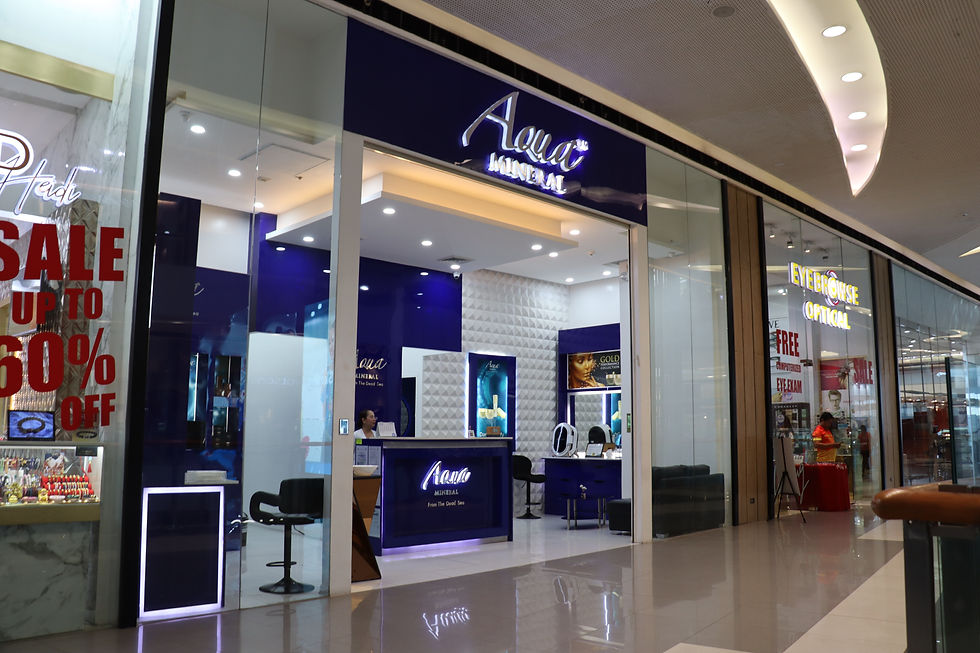
Book your appointment at Aqua Minera and experience a personalised skin assessment with advanced skin analysis technology. Get a clearer understanding of your skin needs and discover a routine designed around your concerns.


Comments