
Calamansi on Skin: Does It Work for Dark Spots or Is It Damaging Your Skin?
- Cosmetigroup Intl. Corp.

- Jul 22
- 12 min read

The use of calamansi for skin has been a long-standing beauty practice in many Filipino households. Often recommended as a natural remedy for dark spots, acne marks, and uneven skin tone, fresh calamansi juice continues to be promoted through social media, beauty blogs, and DIY skincare tutorials as an inexpensive alternative to professionally formulated brightening products.
Its popularity is not without reason. Calamansi naturally contains vitamin C, citric acid, and antioxidant compounds that are recognized in modern skincare for their brightening, exfoliating, and protective properties. These ingredients are widely incorporated into serums, exfoliants, and other cosmetic formulations designed to improve the appearance of dullness and discoloration.
However, the presence of beneficial ingredients alone does not necessarily make a natural substance appropriate for direct application to the skin. The effectiveness and safety of a skincare ingredient depend not only on its composition but also on its concentration, stability, pH, and formulation. These factors determine how an ingredient interacts with the skin and whether it delivers consistent results without causing unnecessary irritation.
This distinction raises an important question: Is calamansi good for skin, or can direct application do more harm than good?
To answer this, it is essential to examine both the beneficial compounds naturally found in calamansi and the scientific evidence surrounding its use as a topical skincare remedy.
Why Has Calamansi Become a Popular Skincare Remedy?
The popularity of calamansi for skin can largely be attributed to its accessibility and the long-held belief that it helps brighten the complexion. Before professionally formulated skincare products became widely available, many households relied on readily available natural ingredients to address common skin concerns, making calamansi a practical and inexpensive option.
Over time, its use expanded beyond traditional home remedies. Today, digital platforms continue to reinforce the belief that applying fresh calamansi—or even lemon on skin—can help reduce the appearance of dark spots, lighten acne marks, and promote a more radiant complexion. As a result, these practices remain widely shared despite the increasing availability of evidence-based skincare products.
The belief is partly supported by the fruit's natural composition. Calamansi contains compounds that are also used in cosmetic formulations, particularly vitamin C and citric acid, both of which are associated with skin-brightening and exfoliating benefits. This has led many individuals to assume that applying the fruit directly to the skin will produce results comparable to professionally formulated skincare products.
However, cosmetic science demonstrates that the presence of beneficial ingredients alone does not determine a product's safety or effectiveness. How those ingredients are formulated, stabilized, and delivered to the skin is equally important. Understanding this distinction provides valuable context when evaluating whether calamansi for dark spots is supported by scientific evidence or simply a long-standing beauty misconception.
What's Inside Calamansi?
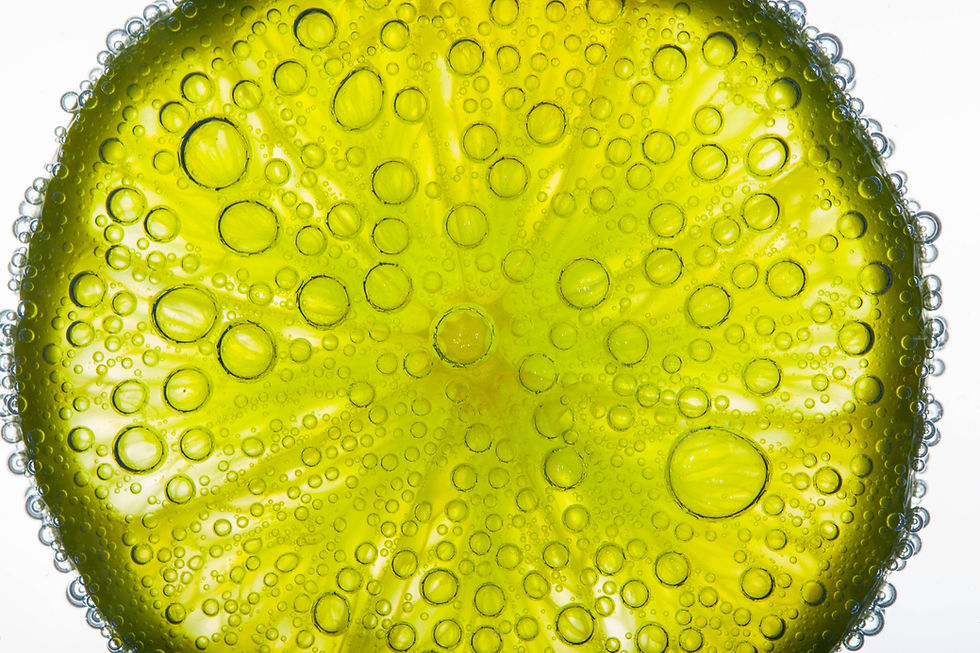
The widespread use of calamansi for skin is largely based on the naturally occurring compounds found within the fruit. Several of these compounds are recognized in cosmetic science and are commonly incorporated into professionally formulated skincare products because of their ability to improve the appearance of skin tone, texture, and overall complexion.
However, the benefits associated with these ingredients should not be attributed solely to their presence in a natural source. In modern skincare, an ingredient's performance depends on multiple factors, including its concentration, stability, formulation, pH, and method of delivery. These variables determine whether an ingredient can provide consistent benefits while remaining well tolerated by the skin.
The table below summarizes the primary compounds naturally found in calamansi and their recognized roles in skincare.
Naturally Occurring Compound | Potential Benefits | Common Application in Skincare |
Vitamin C (Ascorbic Acid) | Helps brighten the appearance of uneven skin tone, improves the look of dark spots, and provides antioxidant protection against environmental stressors. | Brightening serums, antioxidant treatments |
Citric Acid (Alpha Hydroxy Acid) | Provides gentle exfoliation that helps improve skin texture and enhance radiance. | Chemical exfoliants, brightening products, pH-adjusting formulations |
Flavonoids & Other Antioxidants | Help protect the skin from oxidative stress caused by free radicals, contributing to healthier-looking skin. | Antioxidant serums and moisturizers |
The presence of these compounds explains why calamansi for dark spots has become a widely accepted home remedy. Vitamin C is well known for its brightening properties, while citric acid belongs to the alpha hydroxy acid (AHA) family, which is frequently used to promote smoother, more even-looking skin.
Nevertheless, it is important to distinguish between an ingredient used in a professionally formulated skincare product and its raw, unprocessed source. Although calamansi naturally contains beneficial compounds, their effectiveness and safety depend largely on how they are formulated before being applied to the skin.
Is Calamansi Good for Skin?
If you're wondering, "Is calamansi good for skin?" the answer depends entirely on how it is used.
From a scientific perspective, the naturally occurring compounds found in calamansi can provide skincare benefits. Vitamin C helps protect the skin from oxidative stress while improving the appearance of dark spots and uneven skin tone. Citric acid, when formulated correctly, offers gentle exfoliation that can leave the complexion looking smoother and more radiant.
These are the same reasons vitamin C and alpha hydroxy acids have become staples in modern skincare. The challenge lies in the fact that raw calamansi is not a skincare product.
Unlike professionally developed formulations, fresh calamansi juice is not standardized. The concentration of vitamin C and citric acid naturally varies depending on the fruit's variety, ripeness, growing conditions, and freshness. This means one calamansi may be significantly more acidic than another, making every application unpredictable.
Another important consideration is ingredient stability. Vitamin C begins to oxidize almost immediately after the fruit is cut or squeezed. Exposure to air, light, and heat gradually reduces its potency, limiting its ability to deliver consistent skincare benefits before it even reaches the skin.
In contrast, professionally formulated vitamin C serums are specifically designed to maintain stability, optimize absorption, and deliver controlled concentrations that balance effectiveness with skin tolerance.
This distinction is often overlooked in DIY skincare discussions. While calamansi contains beneficial ingredients, those ingredients perform very differently when they are part of a carefully developed skincare formulation than when they are applied directly from the fruit.
Why Formulation Matters More Than the Ingredient
One of the most common misconceptions in skincare is that the presence of beneficial ingredients in a natural source automatically makes it safe and effective for direct application. In reality, the performance of a skincare ingredient depends not only on its composition but also on how it is formulated.
Professional skincare formulations are carefully developed to ensure that active ingredients remain stable, are present at appropriate concentrations, and are delivered at pH levels that optimize efficacy while minimizing the risk of irritation. Every aspect of the formulation—from ingredient compatibility and preservation to stability and absorption—is designed to provide consistent results while supporting the skin barrier.
Fresh calamansi, by comparison, is not formulated for topical use. Its acidity, concentration of active compounds, and overall composition naturally vary from one fruit to another, making each application unpredictable. Furthermore, its vitamin C begins to oxidize almost immediately after the fruit is cut, reducing its stability and limiting its potential effectiveness.
The differences between raw calamansi and professionally formulated skincare extend beyond the ingredients themselves, as illustrated below.
Raw Calamansi | Professionally Formulated Skincare |
Naturally occurring but unpredictable concentrations of vitamin C and citric acid | Carefully measured concentrations for consistent efficacy |
Approximately pH 2, which may disrupt the skin barrier | pH-balanced to maximize performance while minimizing irritation |
Vitamin C rapidly oxidizes when exposed to air and light | Stabilized formulations help preserve potency over time |
No formulation or dermatological testing for topical use | Developed and tested for cosmetic safety, stability, and performance |
Results and skin tolerance may vary with every application | Designed to deliver consistent, predictable results |
Understanding the importance of formulation helps explain why skincare professionals generally discourage the use of raw citrus as a substitute for professionally developed products. While calamansi naturally contains ingredients that are recognized for their cosmetic benefits, those ingredients are most effective when incorporated into formulations specifically designed to balance stability, efficacy, and skin compatibility.
The Potential Risks of Applying Raw Calamansi to the Skin
Although calamansi for skin remains a popular DIY beauty remedy, direct application may expose the skin to unnecessary risks. Unlike professionally formulated skincare products, fresh calamansi juice is not designed for topical use, and its highly acidic nature, phototoxic compounds, and unstable composition may compromise the skin rather than improve it.
The following are some of the most significant concerns associated with applying raw calamansi directly to the skin.
1. Skin Barrier Disruption
Healthy skin is protected by the skin barrier, also known as the acid mantle, which maintains a slightly acidic pH of approximately 4.5 to 5.5. This protective barrier plays an essential role in retaining moisture, supporting the skin's natural microbiome, and defending against environmental irritants.
Fresh calamansi juice has an approximate pH of 2, making it considerably more acidic than healthy skin. Repeated exposure to such a highly acidic substance may disrupt the skin barrier, leading to dryness, redness, stinging, irritation, and increased sensitivity.
Once the barrier becomes compromised, the skin is also more vulnerable to moisture loss and external irritants, making it increasingly difficult to maintain a healthy, resilient complexion.
2. Phototoxicity May Worsen Hyperpigmentation
One of the most overlooked risks of using calamansi for dark spots is its potential to trigger phytophotodermatitis, a phototoxic reaction that occurs when certain compounds in citrus fruits come into contact with ultraviolet (UV) light.
Calamansi contains naturally occurring furanocoumarins (psoralens), compounds that can react with sunlight after being applied to the skin. This reaction may cause redness, inflammation, blistering, or even chemical-like burns.
Rather than improving pigmentation, the resulting inflammation can stimulate excess melanin production, leading to post-inflammatory hyperpigmentation (PIH). For individuals with medium to deeper skin tones, this may leave dark spots that are more persistent than the original concern.
Ironically, a remedy commonly used for skin brightening may ultimately contribute to further discoloration when combined with sun exposure.
3. Inconsistent Ingredient Concentrations
Unlike cosmetic formulations, fresh calamansi does not contain standardized levels of active ingredients.
The concentration of vitamin C, citric acid, and other naturally occurring compounds varies depending on factors such as the fruit's variety, ripeness, cultivation conditions, and storage. Consequently, every fruit differs in strength, making it impossible to determine how the skin will respond to each application.
Professionally formulated skincare products eliminate this variability by using carefully measured concentrations that provide more predictable and consistent performance.
4. Unstable Vitamin C
Vitamin C is one of the key reasons many people believe calamansi is good for skin. However, this antioxidant is highly unstable in its natural form.
Once calamansi is cut or squeezed, exposure to oxygen, light, and heat initiates oxidation, gradually reducing the ingredient's potency. As vitamin C oxidizes, its ability to provide antioxidant protection and brighten the appearance of the skin diminishes significantly.
Professionally formulated vitamin C serums are specifically designed with stabilization technologies that help preserve potency, allowing the ingredient to remain effective for extended periods under appropriate storage conditions.
Why DIY Citrus Remedies May Produce the Opposite of the Intended Results
Although calamansi contains ingredients recognized for their cosmetic benefits, direct application exposes the skin to a combination of highly acidic pH, unstable active compounds, unpredictable concentrations, and phototoxic substances. Together, these factors may increase the likelihood of irritation, barrier damage, and persistent hyperpigmentation instead of promoting a brighter, healthier-looking complexion.
For individuals seeking to improve dark spots and uneven skin tone, the safer approach is not to avoid beneficial ingredients such as vitamin C or exfoliating acids altogether, but to choose products in which these ingredients have been professionally formulated for topical use.
The following section explores evidence-based alternatives that provide the brightening benefits associated with vitamin C and exfoliating acids while minimizing the risks commonly associated with raw citrus remedies.
Safe and Effective Alternatives to Raw Calamansi
Choosing not to apply raw calamansi directly to the skin does not mean giving up on brighter, more even-looking skin. The same skincare goals associated with calamansi for skin, such as improving dullness, uneven tone, and the appearance of dark spots, can be achieved through professionally formulated products that contain carefully selected active ingredients.
Unlike DIY remedies, professionally developed skincare products are created with controlled concentrations, optimized pH levels, and tested formulations. These factors allow active ingredients to perform more consistently while reducing the risk of unnecessary irritation and skin barrier disruption.
The table below highlights the difference between raw calamansi and professionally formulated brightening skincare.
Raw Calamansi Juice | Professionally Formulated Brightening Skincare |
Unpredictable concentration of active ingredients | Controlled concentrations for consistent performance |
Highly acidic and may disrupt the skin barrier | Carefully formulated pH levels designed for topical use |
Active compounds lose stability quickly after extraction | Ingredients are stabilized to maintain effectiveness |
May increase irritation, sensitivity, and pigmentation concerns | Developed to balance efficacy with skin tolerance |
No formulation or safety testing | Created and evaluated for cosmetic application |
Evidence-Based Ingredients That Help Brighten the Skin
Rather than relying on raw citrus remedies, skincare products formulated with scientifically studied ingredients provide a safer and more reliable approach to addressing concerns such as dullness, uneven skin tone, and visible pigmentation.
Exfoliating Acids
Exfoliating ingredients help remove accumulated dead skin cells from the surface of the skin, improving the appearance of rough texture, dullness, and uneven complexion. When properly formulated, these ingredients provide controlled exfoliation while minimizing unnecessary stress on the skin barrier.
Brightening Ingredients
Modern brightening skincare often combines targeted ingredients designed to address the appearance of discoloration and promote a more even-looking complexion. Unlike raw calamansi, these formulations are developed with specific concentrations and delivery systems to improve effectiveness and skin compatibility.
Tranexamic Acid
Tranexamic acid is a recognized ingredient in modern skincare formulations designed to improve the appearance of stubborn pigmentation and uneven skin tone. It is commonly used as part of brightening routines focused on achieving a clearer and more balanced complexion.
Other Filipino DIY Skincare Myths to Avoid
Calamansi is not the only household ingredient that has gained popularity as a DIY skincare remedy. Across generations, many home-based treatments have been shared as quick solutions for acne, dark spots, and other common skin concerns. While some ingredients may appear harmless, applying substances that are not formulated for the skin can lead to irritation, barrier damage, and worsening concerns.
Understanding the science behind these practices can help prevent unnecessary skin damage and encourage safer skincare choices.
Toothpaste for Acne: Why It Can Irritate the Skin
Applying toothpaste directly to pimples is a common DIY acne remedy based on the belief that its ingredients can help dry out blemishes. However, toothpaste is formulated specifically for oral hygiene—not for facial skin.
Many toothpaste formulas contain ingredients such as detergents, fragrances, and other compounds that may cause irritation when applied to the skin. Instead of improving acne, this practice may lead to redness, dryness, sensitivity, and inflammation.
Since irritation can trigger a stronger inflammatory response, applying harsh substances to acne-prone areas may potentially worsen the appearance of blemishes and increase the likelihood of post-inflammatory marks.
A more effective approach is to use skincare products formulated with acne-supporting ingredients that are specifically designed for facial skin and tested for topical use. Baking Soda Scrubs: Why More Exfoliation Is Not Always Better
Another popular DIY skincare practice involves using baking soda as a facial scrub to remove dead skin cells and achieve smoother-looking skin. However, baking soda is highly alkaline, while healthy skin naturally maintains a slightly acidic environment.
Frequent use of alkaline substances may disrupt the skin's natural balance and weaken the protective barrier. This can result in dryness, irritation, increased sensitivity, and difficulty maintaining healthy skin hydration.
Effective exfoliation does not require harsh physical scrubbing or ingredients that compromise the skin barrier. Professionally formulated exfoliating products are designed with controlled concentrations and appropriate pH levels to help improve skin texture while supporting overall skin health.
How to Educate Others About Calamansi DIY Skincare
Because calamansi for skin has been a common beauty practice for many years, conversations about its risks should be approached with understanding rather than criticism. Many people continue using DIY remedies because they are affordable, accessible, and based on traditions passed down through generations.
The goal is not to dismiss the use of natural ingredients, but to explain the importance of proper formulation and skin safety.
A helpful way to explain the difference is this: an ingredient can be beneficial, but its effectiveness depends on how it is prepared and delivered to the skin.
Calamansi contains vitamin C and citric acid—ingredients that are commonly used in professional skincare products. However, applying fresh calamansi juice directly to the skin is different from using a carefully formulated product. Without controlled concentrations, stabilization, and proper pH adjustment, the skin may experience irritation instead of the desired brightening effect.
It is also important to remind others that skin concerns such as dark spots and uneven tone are often influenced by multiple factors, including sun exposure, inflammation, and skin sensitivity. Addressing these concerns safely requires more than simply applying a single natural ingredient.
By sharing accurate skincare information, individuals can make better choices and understand why professionally formulated products are designed to deliver safer and more consistent results.
Frequently Asked Questions About Calamansi for Skin
Is calamansi good for skin?
Calamansi contains vitamin C and citric acid, ingredients commonly used in skincare for their antioxidant and exfoliating properties. However, applying fresh calamansi directly to the skin is not recommended because its acidity, concentration, and stability are unpredictable. This may increase the risk of irritation, sensitivity, and pigmentation concerns.
Can calamansi remove dark spots?
Although calamansi contains compounds associated with brightening benefits, raw calamansi is not a reliable treatment for dark spots. Irritation caused by acidic ingredients may trigger post-inflammatory hyperpigmentation, making discoloration more noticeable.
For a safer approach, choose professionally formulated skincare products containing ingredients designed to improve the appearance of uneven skin tone while supporting the skin barrier.
Is lemon safe to apply on skin?
Similar to calamansi, applying raw lemon on skin may cause irritation due to its high acidity and potential phototoxic effects when exposed to sunlight. While citrus fruits contain beneficial compounds, they are not formulated for direct facial application.
What should I use instead of calamansi for brightening?
Instead of applying raw citrus, consider skincare products formulated with clinically studied brightening ingredients. Properly developed products provide controlled concentrations, improved stability, and better compatibility with the skin.
A personalized skincare routine based on your skin type and concerns can help achieve brighter, more even-looking skin safely.
Brighten Safely, Not with Burns
The popularity of calamansi for skin comes from its natural vitamin C and citric acid content, but using raw citrus directly on the skin may create unnecessary risks. Without proper formulation, these ingredients may become too irritating and may contribute to sensitivity or worsening pigmentation.
Effective skincare is not only about choosing ingredients with potential benefits—it is about using them in formulations designed for safety, stability, and skin compatibility.
For those looking to improve dullness, uneven tone, or dark spots, Elite Skin Perfection offers professional skincare guidance to help create a routine suited to individual skin needs.

Choose skincare backed by science, not risky DIY shortcuts. Brighten safely. Protect your skin. Care for your complexion the right way. Book your appointment with Elite Skin Perfection today.


Comments