
Azelaic Acid Benefits: The Underrated Multi Tasker for Acne, Rosacea, and Pigmentation
- Cosmetigroup Intl. Corp.

- 2 days ago
- 11 min read
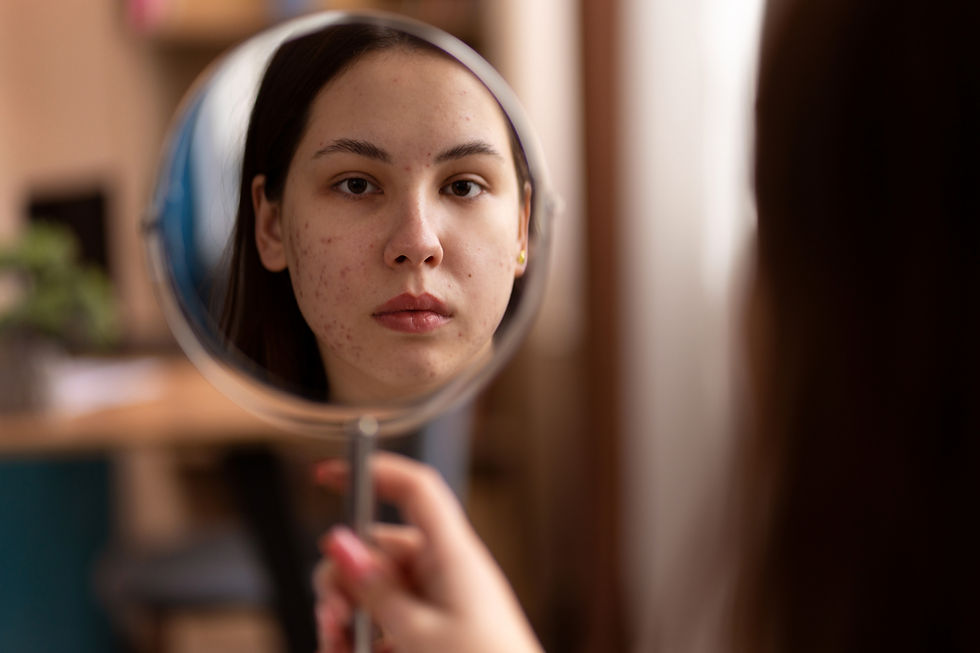
A pimple may only last for a few days, but the redness and dark mark it leaves behind can remain for weeks or even months. For many people, managing acne is not only about preventing new breakouts. It also means dealing with uneven skin tone, lingering pigmentation, and skin that appears easily irritated. This is where azelaic acid stands out.
While ingredients such as retinol, vitamin C, and salicylic acid often dominate skincare conversations, azelaic acid has quietly remained a valuable ingredient in dermatology for years. Its ability to address multiple skin concerns has made it especially relevant for those who experience acne, redness, and pigmentation at the same time.
The interest in azelaic acid benefits comes from its unique combination of properties. Unlike ingredients that are mainly associated with one purpose, azelaic acid has been studied for its role in supporting clearer looking skin, improving uneven tone, and calming visible signs of inflammation.
However, its effectiveness is not based on popularity alone. Like any active ingredient, results depend on the concentration, formulation, and consistency of use. Understanding how azelaic acid works can help explain why this ingredient has become a trusted option for different skin concerns and why it deserves more attention in modern skincare routines.
What Is Azelaic Acid?

Azelaic acid is a naturally occurring dicarboxylic acid that is commonly used in dermatology and skincare formulations. It can be found naturally in grains such as wheat, barley, and rye, although the azelaic acid used in skincare products is usually produced through controlled processes to ensure purity, stability, and consistent performance.
Unlike traditional exfoliating acids such as glycolic acid or salicylic acid, azelaic acid belongs to a different category of acids. Its chemical structure allows it to interact with the skin in several ways, which is why it has been studied for concerns beyond simple exfoliation.
Azelaic acid is available in different concentrations depending on the purpose of the product. Prescription formulations often contain higher concentrations, commonly 15% to 20%, and are used under medical guidance for concerns such as acne and rosacea. Over the counter products usually contain around 10% azelaic acid and are designed to support everyday skincare routines.
Another reason azelaic acid has become relevant in cosmetic formulations is its compatibility with other ingredients. It can be combined with ingredients such as niacinamide, hyaluronic acid, vitamin C, and retinoids, allowing it to fit into different skincare routines depending on individual needs.
Although it has been used in dermatology for decades, azelaic acid remains less recognized compared with more heavily marketed active ingredients. Its ability to address multiple concerns through different pathways is what continues to make it an ingredient worth exploring.
Why Is Azelaic Acid Considered an Underrated Skincare Active?
Azelaic acid has a long history in dermatology, yet it often receives less attention than ingredients that dominate skincare trends. Retinoids, vitamin C, and exfoliating acids are frequently highlighted for acne, brightening, or anti aging concerns, while azelaic acid is sometimes overlooked despite its wide range of applications.
One reason for this is that azelaic acid does not typically create dramatic short term changes. Unlike ingredients that may produce noticeable effects quickly, azelaic acid works gradually and requires consistent use. This slower process can make it less appealing in a market where immediate results are often emphasized.
Another factor is that many people associate azelaic acid mainly with prescription treatments rather than everyday skincare. While stronger concentrations are commonly used in dermatological settings, lower concentrations have become more accessible through over the counter products.
Formulation has also influenced how people perceive azelaic acid. Some older formulas were known for thicker textures or pilling issues, which made them less convenient when layered with other skincare products. Newer formulations have improved texture and application, making azelaic acid easier to incorporate into daily routines.
What makes azelaic acid valuable is not that it replaces every other active ingredient, but that it offers a balanced approach. It can support multiple skin concerns without relying on extremely aggressive methods, making it a useful option for those looking for an effective yet versatile ingredient.
Azelaic Acid Benefits for Acne, Rosacea, and Pigmentation
The main reason azelaic acid continues to be studied in skincare is its ability to address several concerns through different actions. Its benefits extend beyond a single purpose, which is why it is often considered a multi functional active ingredient.
Azelaic Acid for Acne
One of the most recognized uses of azelaic acid is for acne prone skin. Research shows that azelaic acid can help improve acne by affecting factors involved in breakouts, including bacteria, inflammation, and clogged pores.
For individuals looking for azelaic acid for acne, the ingredient offers an advantage because it can also support the appearance of post breakout marks. Many acne treatments focus only on reducing active blemishes, but azelaic acid can also help improve uneven tone caused by previous inflammation.
Its gentler profile also makes it an option for individuals who experience irritation from stronger acne ingredients. While it may not provide the same immediate intensity as some acne medications, it offers a more balanced approach for long term skincare routines.
Azelaic Acid for Rosacea
Rosacea prone skin often requires careful ingredient selection because irritation can worsen visible redness. Azelaic acid has been widely studied for its ability to help improve the appearance of rosacea related concerns, including redness and inflammatory bumps.
Its anti inflammatory properties allow it to support calmer looking skin without relying on harsh exfoliation. Prescription azelaic acid formulations, particularly 15% concentrations, have been studied for reducing rosacea associated papules and pustules.
Azelaic Acid for Dark Spots and Pigmentation
Azelaic acid is also recognized for its role in improving uneven skin tone. It helps regulate pigment formation by affecting tyrosinase activity, an enzyme involved in melanin production.
This makes it especially relevant for post inflammatory hyperpigmentation, which commonly appears after acne or skin irritation. Although ingredients such as hydroquinone may provide stronger pigment reduction in certain cases, azelaic acid offers a gentler alternative that can be suitable for longer term use.
Azelaic Acid for Skin Texture and Inflammation
Beyond acne and pigmentation, azelaic acid can support smoother looking skin by helping regulate skin cell behavior. By promoting more balanced keratinization, it may help reduce the buildup that contributes to clogged pores and uneven texture.
Its ability to address inflammation also makes it beneficial for skin that appears reactive or easily irritated. This combination of properties allows azelaic acid to support clearer, calmer, and more balanced looking skin.
How Does Azelaic Acid Work on the Skin?
The versatility of azelaic acid comes from the way it interacts with different processes within the skin. Instead of targeting only one concern, it works through several mechanisms that influence bacteria, inflammation, pigment production, and skin cell behavior.
Antimicrobial Action
Azelaic acid has antimicrobial properties that help regulate microorganisms associated with acne development. By affecting acne related bacteria on the skin, it helps create a more balanced environment that is less favorable for breakouts. Unlike some antibacterial ingredients that focus mainly on reducing bacteria, azelaic acid also works on other factors involved in acne, which contributes to its broader role in skincare.
Anti Inflammatory Effects
Inflammation plays an important role in many visible skin concerns, from acne lesions to persistent redness. Azelaic acid helps regulate inflammatory pathways in the skin, which can reduce the appearance of irritation and support a calmer complexion. This mechanism is also one reason it is commonly considered for sensitive and redness prone skin. Instead of aggressively changing the skin, it helps manage processes that contribute to visible inflammation.
Tyrosinase Inhibition and Pigment Regulation
One of the key mechanisms behind azelaic acid’s brightening effects is its ability to inhibit tyrosinase activity. Tyrosinase is an enzyme involved in melanin production, which determines the formation of pigment in the skin. By reducing excessive pigment production, azelaic acid can help improve the appearance of uneven skin tone and discoloration over time. This process is particularly relevant for post inflammatory pigmentation that develops after acne or irritation.
Regulation of Keratinization
Azelaic acid also influences keratinization, which refers to how skin cells develop and shed. When this process becomes irregular, dead skin cells can accumulate and contribute to clogged pores and rough texture. By helping normalize skin cell turnover, azelaic acid supports a smoother skin surface without relying on strong exfoliation.
The combination of these actions explains why azelaic acid can address multiple concerns within one ingredient. Its effectiveness comes not from one single function, but from the way these different mechanisms work together to support healthier looking skin.
Azelaic Acid vs Other Popular Skincare Actives
With so many active ingredients available, choosing the right one depends on the skin concern being addressed and how well the skin tolerates the ingredient. While azelaic acid shares some similarities with other popular actives, its main difference is its ability to support multiple concerns without focusing on only one pathway.
Ingredient | Main Focus | Advantages | Limitations |
Azelaic Acid | Acne, pigmentation, redness | Multi functional ingredient that supports clearer looking skin, improves uneven tone, and is generally well tolerated | Results are gradual and require consistent use |
Niacinamide | Skin barrier, oil control, hydration | Helps strengthen the skin barrier, improve moisture retention, and reduce the appearance of redness | Does not provide the same level of acne and pigment targeting as azelaic acid |
Benzoyl Peroxide | Acne | Strong antibacterial activity and effective for reducing acne causing bacteria | May cause dryness, irritation, and sensitivity with frequent use |
Retinoids | Acne, texture, anti aging | One of the most researched ingredients for improving skin texture and visible signs of aging | Can cause dryness, peeling, and an adjustment period |
Hydroquinone | Pigmentation | Known for stronger pigment reducing effects | Requires careful use and is not always preferred for long term routines |
Azelaic Acid vs Niacinamide
The comparison between azelaic acid vs niacinamide often comes down to the specific concerns being prioritized. Both ingredients can support a more balanced looking complexion, but they work differently.
Niacinamide is mainly valued for strengthening the skin barrier, improving hydration, and helping regulate excess oil. Azelaic acid has a broader focus on acne related concerns, inflammation, and pigmentation.
These ingredients are not necessarily competing options. In many routines, they can complement each other by supporting different aspects of skin health.
Azelaic Acid vs Benzoyl Peroxide
Benzoyl peroxide remains a widely used acne ingredient because of its strong antibacterial effects. However, some individuals experience dryness or irritation, especially when using higher strengths or frequent applications.
Azelaic acid provides a gentler approach that may be preferred by those who want acne support while also addressing concerns such as uneven skin tone and redness.
Azelaic Acid vs Retinoids
Retinoids have extensive research supporting their role in acne management and skin renewal. They can produce significant changes in texture and visible signs of aging but may require a longer adjustment period due to possible irritation.
Azelaic acid is generally considered a milder option and may be more suitable for individuals who have sensitive skin or who struggle with retinoid tolerance.
Azelaic Acid vs Hydroquinone
Hydroquinone is often considered one of the stronger ingredients for targeting pigmentation. However, azelaic acid offers a different approach by addressing pigmentation alongside concerns such as acne and inflammation.
For individuals who experience both breakouts and dark marks, azelaic acid can provide a more balanced option within a long term skincare routine.
Rather than replacing every active ingredient, azelaic acid’s strength lies in its versatility. It fills the gap between effectiveness and tolerability, making it a practical choice for those managing multiple skin concerns.
Who Should Use Azelaic Acid?
Azelaic acid can be a suitable option for individuals who experience overlapping skin concerns and want a more simplified approach to their routine. Instead of targeting only one issue, it is often chosen by those who need support for acne, uneven tone, or visible redness at the same time.
It may be especially beneficial for:
People with acne and post breakout marks
Individuals who experience both active breakouts and lingering dark spots may find azelaic acid useful because it supports clearer looking skin while helping improve the appearance of post inflammatory pigmentation.
Those with redness prone or sensitive skin
For individuals who find stronger active ingredients difficult to tolerate, azelaic acid may offer a gentler alternative. Its calming properties make it a commonly considered ingredient for routines focused on managing visible redness.
People looking for a multi purpose brightening ingredient
Those who want to improve uneven skin tone without using highly aggressive pigment focused ingredients may benefit from incorporating azelaic acid into their routine. It provides gradual brightening support while addressing other skin concerns.
Individuals living in humid climates
Environmental factors such as heat and humidity can contribute to oiliness, clogged pores, and frequent breakouts. For people living in tropical locations like the Philippines, azelaic acid can be a practical ingredient because it addresses several concerns commonly experienced in these conditions.
While azelaic acid is suitable for many skin types, results still depend on choosing an appropriate formulation and introducing it properly. Like any active ingredient, consistency and proper usage play an important role in achieving visible improvements.
How to Use Azelaic Acid in a Skincare Routine
Incorporating azelaic acid into a skincare routine requires proper application to maximize comfort and consistency. Since it is an active ingredient, introducing it gradually allows the skin to adjust while reducing the possibility of temporary dryness, tingling, or irritation.
Azelaic acid is usually applied after cleansing and before moisturizer. For those who are new to the ingredient, starting once daily or every other day can help the skin adapt. If the skin responds well, frequency can gradually be increased depending on the product formulation and individual tolerance.
Azelaic acid can also be paired with complementary skincare ingredients to create a more balanced routine:
Niacinamide: Helps support the skin barrier and maintain overall skin balance, making it a suitable ingredient to pair with azelaic acid.
Hyaluronic Acid: Helps provide hydration and support skin comfort while using active ingredients. The Iconique Hyaluronic Acid Face Serum can complement an azelaic acid routine by helping maintain skin hydration through hyaluronic acid. This added moisture support can help keep the skin feeling comfortable while using active ingredients and improve the appearance of smoother, more supple skin.
Retinoids: Can be used alongside azelaic acid for routines focused on acne, texture, and visible signs of aging. Sensitive skin types may prefer alternating their use to reduce irritation.
Vitamin C: Can complement azelaic acid in routines focused on dullness and uneven skin tone by supporting a brighter looking complexion.
For additional brightening support, the Botanifique Highlight Brightening Moisturizing Cream can be incorporated after azelaic acid. This moisturizer helps provide hydration while supporting a more even and radiant looking complexion, making it a suitable addition for routines focused on maintaining skin clarity and improving the appearance of dullness.
Daily sunscreen remains an essential step, especially for individuals using azelaic acid to address pigmentation concerns. Although azelaic acid does not create the same level of sun sensitivity as some exfoliating ingredients, UV exposure can contribute to the development and persistence of dark spots.
Consistency remains the most important factor when using azelaic acid. Combining targeted ingredients with proper hydration, barrier support, and sun protection creates a more complete approach to achieving clearer, calmer, and more balanced looking skin.
Choosing the Best Azelaic Acid Product
Choosing the best azelaic acid product involves more than looking at the percentage listed on the label. While concentration is an important factor, the overall formulation, supporting ingredients, and how well the product fits into a skincare routine can influence its effectiveness and long term use.
Over the counter azelaic acid products commonly contain around 10%, while higher concentrations are often found in prescription treatments. A stronger formula is not always the better option, especially for individuals with sensitive skin. The ideal concentration depends on the skin concern being addressed and how well the skin tolerates the ingredient.
The supporting ingredients in a formula also play an important role. Azelaic acid works well when combined with ingredients that support hydration, barrier function, and overall skin comfort. A balanced formulation can help create a more consistent routine, especially for individuals using active ingredients regularly.
Texture and application experience should also be considered. Some azelaic acid products may feel heavier or cause pilling when layered with other skincare products. A formula that applies comfortably and works well with the rest of a routine is more likely to be used consistently.
For individuals managing acne, redness, and pigmentation at the same time, azelaic acid remains a valuable ingredient because it addresses multiple concerns through different pathways. However, achieving healthier looking skin often requires more than one product. Supporting skincare steps, including hydration, brightening care, and daily sun protection, can help create a more complete routine.

At Elite Skin Perfection, achieving healthier looking skin goes beyond using a single active ingredient. A well planned routine that combines targeted skincare products, proper hydration, and consistent sun protection can help support clearer, smoother, and more balanced looking skin.
Azelaic acid may not be the most talked about ingredient in skincare, but its ability to address acne, pigmentation, and visible redness makes it one of the most versatile actives available. With the right formulation, consistent use, and proper skincare support, it can become a valuable addition to a routine focused on maintaining healthier looking skin.
Explore skincare solutions from Elite Skin Perfection and discover products designed to complement your skincare routine and support your skin goals.


Comments